Hair Growth Products: The Ultimate Guide to Faster, Thicker, and Healthier Hair
Find the best hair growth solutions for thin, damaged, and slow-growing hair
Hair Growth Products: The Ultimate Guide to Faster, Thicker, and Healthier Hair
Hair loss and thinning hair affect millions of people worldwide, leading many to search for the most effective hair growth products capable of restoring density, improving scalp health, and stimulating stronger hair growth. From advanced clinical treatments to natural oils and peptide serums, modern hair care offers more solutions than ever before.
However, not all hair growth products work the same way. Some target hormones, others stimulate blood circulation, while certain treatments reactivate dormant follicles or improve scalp conditions. Understanding how hair grows and which ingredients are truly effective is essential for building a successful hair regrowth routine.
This complete guide explores the science behind hair growth, the most effective ingredients, the best hair growth treatments for men and women, natural remedies, scalp care routines, common mistakes, and clinically supported solutions for healthier, fuller hair.
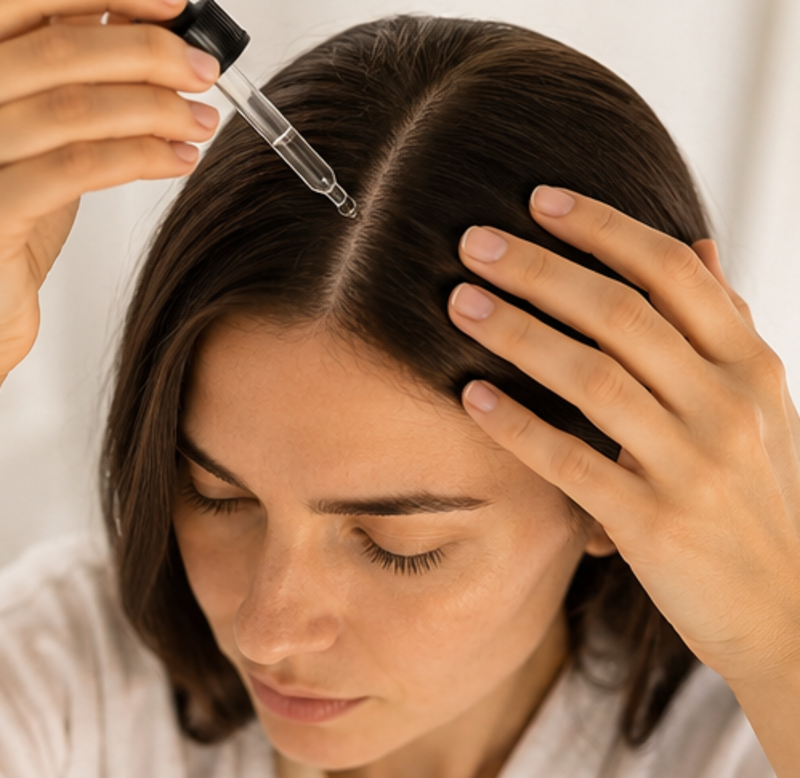
Understanding the Science of Hair Growth
Hair growth is controlled by genetics, hormones, age, nutrition, and overall scalp health. While no treatment can completely change your biological hair growth speed, the best hair growth products can maximize the natural potential of each follicle.
Hair typically grows around:
Anagen Phase
The anagen phase is the active growth stage. It can last anywhere from 2 to 7 years and determines how long hair can grow before shedding naturally.
Most effective hair growth products focus on extending the anagen phase.
Catagen Phase
This short transition phase lasts about 2 to 3 weeks. During this time, the follicle shrinks and hair growth temporarily stops.
Telogen Phase
The telogen phase is the resting and shedding stage. It lasts approximately 3 to 4 months before the old hair falls out and a new strand begins growing.
Understanding this cycle is essential because many people mistake normal shedding for treatment failure.
What Causes Hair Loss and Hair Thinning?
Hair loss can result from multiple factors, and identifying the root cause is critical when choosing the right hair growth products.
Genetic Hair Loss
Androgenetic alopecia, also known as male or female pattern baldness, is the most common cause of thinning hair. It is heavily influenced by DHT sensitivity.
Stress-Related Hair Loss
Physical or emotional stress can push follicles into the telogen phase, causing excessive shedding known as telogen effluvium.
Hormonal Changes
Hormonal fluctuations after pregnancy, menopause, thyroid disorders, or hormonal imbalances can affect the hair cycle.
Nutritional Deficiencies
Low iron, zinc, protein, or vitamin D levels may weaken follicles and slow hair growth.
Scalp Inflammation
Excess oil, dandruff, buildup, and poor scalp hygiene may suffocate follicles and contribute to thinning hair.
The Role of DHT in Hair Loss
DHT, or dihydrotestosterone, is one of the main causes of hereditary hair loss.
In genetically sensitive individuals, DHT attaches to hair follicles and gradually causes follicle miniaturization. Over time, hair becomes thinner, weaker, and shorter until growth stops completely.
Many advanced hair growth products are specifically designed to reduce DHT activity.
Clinical Hair Growth Products That Actually Work
Scientific research supports several treatments capable of significantly improving hair growth and reducing hair loss.
Minoxidil: The Gold Standard Hair Growth Treatment
Minoxidil remains one of the most effective and widely used hair growth products in the world.
Originally developed as a vasodilator, Minoxidil improves blood circulation around the follicle, delivering more oxygen and nutrients directly to the scalp.
How Minoxidil Works
Minoxidil helps:
- Reactivate dormant follicles
- Increase follicle size
- Extend the anagen phase
- Improve hair density
- Reduce progressive thinning
The Temporary Shedding Phase
During the first 2 to 6 weeks, some users experience increased shedding known as the “dread shed.” This is usually temporary and occurs because weak hairs are being replaced by healthier strands.
How Long Does Minoxidil Take to Work?
Most users notice:
- Reduced shedding after 2 to 3 months
- Visible density improvement after 4 to 6 months
- Better long-term thickness after 12 months
Consistency is extremely important because stopping treatment often reverses results.
Finasteride and Hormonal Hair Growth Products
Finasteride is another clinically proven treatment among powerful hair growth products.
It works by blocking the enzyme 5-alpha reductase, which converts testosterone into DHT.
Benefits of Finasteride
- Reduces DHT levels
- Slows male pattern baldness
- Helps preserve existing hair
- Improves density over time
Finasteride is commonly recommended for hereditary hair loss in men.
Advanced Peptide Hair Growth Products
Many people seek alternatives to Minoxidil because of irritation or long-term dependence concerns. This has led to the rise of peptide-based hair growth products powered by biotechnology.
These ingredients target follicle stem cells and improve scalp metabolism.
Redensyl
Redensyl stimulates follicle stem cells located in the outer root sheath and helps restart the growth cycle.
Benefits of Redensyl
- Supports hair density
- Encourages stronger growth
- Lightweight and non-greasy
- Suitable for sensitive scalps
Capixyl
Capixyl combines Acetyl Tetrapeptide-3 with red clover extract to support healthier follicles and help modulate DHT activity.
Benefits of Capixyl
- Reduces shedding
- Improves follicle anchoring
- Supports scalp health
- Common in premium hair growth serums
Procapil
Procapil focuses on scalp circulation and follicle aging.
Benefits of Procapil
- Strengthens roots
- Improves scalp metabolism
- Supports healthier follicles
- Helps slow early thinning
These advanced peptide-based hair growth products are especially popular for preventive hair care routines.
Natural Hair Growth Products That Support Regrowth
Natural remedies cannot completely reverse severe baldness alone, but some ingredients show promising clinical results.
Rosemary Oil for Hair Growth
Rosemary oil is one of the most respected natural hair growth products available today.
Clinical studies suggest that consistent rosemary oil use may produce results comparable to 2% Minoxidil after six months, with fewer irritation side effects.
Benefits of Rosemary Oil
- Stimulates circulation
- Reduces inflammation
- Supports thicker hair
- Natural alternative to synthetic treatments
For best results, rosemary oil should be applied directly to the scalp before shampooing.
Pumpkin Seed Oil and Saw Palmetto
Pumpkin seed oil and Saw Palmetto are considered natural DHT blockers.
Studies have shown noticeable improvements in hair density after consistent use over several months.
Benefits
- Help reduce DHT activity
- Support scalp balance
- Improve follicle health
- Frequently used in natural hair growth products
Hair Growth Shampoos: What They Really Do
Many people expect shampoos alone to regrow hair, but their primary role is to improve scalp conditions.
The best hair growth products in shampoo form help create a healthier environment for follicles.
Ingredients to Look For
Caffeine
Caffeine may help stimulate cellular energy and improve circulation.
Salicylic Acid
Salicylic acid exfoliates the scalp and removes excess buildup.
Ketoconazole
Ketoconazole helps reduce inflammation and supports healthier scalp conditions.
Biotin and Zinc
These nutrients support stronger hair and healthier follicles.
Best Hair Growth Products for Men
Men experiencing hereditary hair loss often benefit from combining multiple treatments.
Recommended Routine
- Minoxidil serum
- Finasteride
- DHT-blocking shampoo
- Microneedling
- Peptide serum
This combination targets circulation, hormones, and follicle stimulation simultaneously.
Best Hair Growth Products for Women
Women often experience thinning related to hormones, stress, postpartum shedding, or nutritional deficiencies.
Recommended Treatments
- Minoxidil for women
- Peptide serums
- Rosemary oil
- Caffeine shampoo
- Nutritional supplements
Women with hormonal hair loss should always consult a healthcare professional before using hormonal treatments.
The Power of Microneedling for Hair Growth
Microneedling has become one of the most popular techniques used alongside hair growth products.
This method uses tiny needles to create controlled micro-injuries on the scalp.
Benefits of Microneedling
- Stimulates collagen production
- Improves blood circulation
- Enhances product absorption
- Reactivates dormant follicles
Combining microneedling with Minoxidil often improves results significantly.
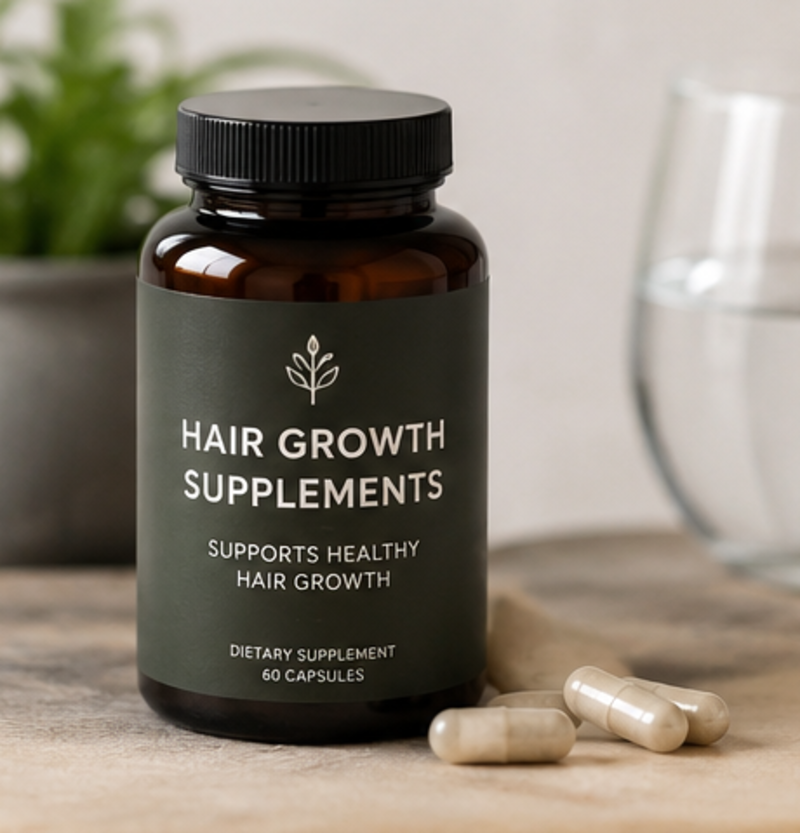
Vitamins and Supplements for Hair Growth
Healthy hair requires proper nutrition.
Even the best hair growth products work better when nutrient deficiencies are corrected.
Important Nutrients for Hair Growth
Biotin
Supports keratin production and hair strength.
Iron
Iron deficiency is a major cause of hair shedding, especially in women.
Vitamin D
Low vitamin D levels are associated with several forms of hair loss.
Zinc
Supports scalp repair and follicle function.
Protein
Hair is primarily made of protein, making adequate intake essential.
Omega-3 Fatty Acids
Support scalp hydration and reduce inflammation.
Hair Growth Products That Usually Do Not Work
Many products promise unrealistic overnight results.
Be cautious of:
- Miracle shampoos
- Instant regrowth claims
- Fake herbal oils
- Social media trends without evidence
- Products promising dramatic growth in days
Real hair growth takes time and consistency.
Minoxidil vs Rosemary Oil
Both are popular hair growth products, but they work differently.
| Feature | Minoxidil | Rosemary Oil |
|---|---|---|
| Scientific evidence | Strong | Moderate |
| Speed of results | Faster | Slower |
| Irritation risk | Higher | Lower |
| Natural ingredient | No | Yes |
| Best for severe hair loss | Yes | Mild to moderate thinning |
Common Mistakes That Slow Hair Growth
Many people sabotage their results without realizing it.
Stopping Too Early
Hair growth treatments require several months of consistent use.
Applying Oils Incorrectly
Oils should target the scalp, not only the hair length.
Ignoring Scalp Health
A clogged or inflamed scalp weakens follicles.
Excessive Heat Styling
Heat damage increases breakage and weakens strands.
Inconsistent Routine
Using hair growth products irregularly reduces effectiveness dramatically.
How to Build an Effective Hair Growth Routine
A structured routine can maximize the benefits of your treatments.
Morning Hair Growth Routine
- Use a caffeine or DHT-blocking shampoo
- Apply peptide serum
- Massage the scalp for several minutes
Evening Hair Growth Routine
- Apply Minoxidil or rosemary oil
- Perform a gentle scalp massage
- Avoid tight hairstyles before sleep
Weekly Hair Growth Routine
- Microneedling session
- Deep scalp oil treatment
- Scalp exfoliation
- Hair mask for hydration
Hair Growth Timeline: What to Expect
Weeks 1–4
- Possible shedding
- Scalp adjustment period
Months 2–3
- Reduced hair fall
- Improved scalp condition
Months 4–6
- Visible density improvements
- New baby hairs may appear
Months 6–12
- Stronger regrowth
- Thicker appearance
- Better overall density
Patience is essential because healthy hair growth is a gradual biological process.
Frequently Asked Questions About Hair Growth Products
Do hair growth products really work?
Yes. Clinically proven ingredients such as Minoxidil and Finasteride can significantly improve hair density and reduce hair loss when used consistently.
What is the best hair growth product?
The best treatment depends on the cause of hair loss. Minoxidil remains one of the most effective overall options.
Can thinning hair become thick again?
In many cases, yes. Early intervention with effective hair growth products often improves density significantly.
Is rosemary oil scientifically proven?
Several studies suggest rosemary oil may support hair growth similarly to 2% Minoxidil over time.
Can stress cause hair loss?
Yes. Chronic stress can trigger excessive shedding and disrupt the normal hair cycle.
Do hair oils really help hair grow?
Certain oils like rosemary oil and pumpkin seed oil may support scalp health and follicle function.
Can shampoos alone regrow hair?
Usually not. Shampoos mainly improve scalp conditions and work best alongside targeted treatments.
Are peptide serums effective?
Many peptide-based hair growth products help improve scalp health and hair density over time.
How long does it take for hair growth products to work?
Most treatments require at least 3 to 6 months of consistent use before visible improvements appear.
Is hair regrowth permanent?
Most treatments require ongoing maintenance to preserve results.
Conclusion
Modern hair growth products offer more scientifically supported solutions than ever before. Whether you are dealing with hereditary hair loss, stress-related shedding, hormonal thinning, or early signs of reduced density, choosing the right treatments can significantly improve scalp health and long-term hair growth.
Clinically proven options like Minoxidil and Finasteride remain among the most powerful treatments for hair regrowth, while advanced peptide serums such as Redensyl, Capixyl, and Procapil provide innovative alternatives for daily density support. Natural ingredients like rosemary oil, pumpkin seed oil, and Saw Palmetto continue gaining popularity thanks to their ability to support healthier follicles and reduce scalp inflammation.
The most effective hair care strategies combine multiple hair growth products with consistent routines, proper nutrition, scalp maintenance, and patience. Hair growth is a long-term process, but with the right approach, achieving thicker, healthier, and stronger hair is absolutely possible.